Vitafoods is always a good pulse check on where the nutraceuticals industry is heading. This year, Barcelona may have been short on sunshine, but the show itself felt bigger and busier than ever.
The Notch team was there to see what’s new, where the market is shifting, and which trends are creating real opportunities for B2B marketers across the nutraceutical supply chain.
Here’s what stood out.
Creatine was the star ingredient of the show
Creatine Monohydrate appeared everywhere at Vitafoods 2026. From gummies and chewable tablets to candy pellets, suppliers were showcasing innovative new formats for an ingredient that has been the gym-goers’ go-to for years. But this year, it was clear that creatine is moving well beyond its core audience.
Women’s health, longevity and cognitive performance emerged as some of the most prominent new positioning opportunities for the ingredient. As a result, the differentiator is no longer the molecule itself, but the experience around it.
Suppliers are reimagining creatine through less chalky, more gut-friendly formulations, alongside more convenient delivery formats designed to appeal to broader and often more premium consumer markets.
Notch tip for Formulating Advantage™: Re-positioning a well-established ingredient is no easy feat. It takes establishing new perceptions in both brands and consumers' minds. If you're looking to break into a new market segment and product category, your marketing and branding efforts should signal the market you're going after. Ready-to-market applications and clearly communicated functional benefits will help differentiate brands from bulk ingredient suppliers.
The GLP-1 effect is reshaping the consumer
GLP-1 agonists are starting to visibly shift consumer segmentation, and Vitafoods 2026 was the first year we really felt it on the floor. Weight-loss adjacent products like berberine were noticeably less prominent than in previous years, while a significant number of exhibitors were leading with GLP-1-friendly or GLP-1-supportive claims on their stands.
Euromonitor data is also supporting this shift: GLP-1 drugs are contributing to a global trend toward reduced caloric consumption, with nutrient density becoming the new product development brief. Ozempic searches are declining while peptide searches are going up, the conversation is maturing from the drug itself to the nutritional ecosystem around it.
Notch tip for Formulating Advantage™: The global consumer segmentation is shifting, and the emerging GLP-1 consumer segment is actively looking for products to support changing nutritional needs. Positioning your products for this segment early with the right message can set your business up for success.
Efficacy and precision matter more than ever
Multiple times at the show, we heard the same remarks:
Consumers demand stronger evidence that products work
Brands are increasingly evaluating new ingredients based on clinical intervention studies
CDMOs are being more selective with the ingredient portfolios they work with
The industry has clearly moved beyond relying solely on in vitro data. As consumers become more price-conscious, they’re scrutinising claims more carefully and expecting stronger evidence that products genuinely deliver results.
That pressure is now being felt across the entire supply chain.
Consumers are looking past the front-of-pack messaging, and brands are increasingly expected to justify both efficacy and value.`
Notch tip for Formulating Advantage™: Clinical data is now an important commercial asset for many suppliers. Particularly for new ingredients and formulations, a clearly articulated value proposition, backed by clinical data, can set you apart.
Gummies have gone mainstream
Gummies aren’t a novel format anymore; they’re quickly becoming the new category standard. Consumer preference is shifting away from tablets and capsules, and for a growing number of supplement users, gummies are becoming the go-to format.
That creates an interesting problem: once gummies are the baseline, they stop being a differentiator. We started seeing what comes next at this year’s show: from dissolvable formats and powder sticks to lozenges, convenient single-serve applications are beginning to capture the attention of brands looking for the next novel application.
Notch tip for Formulating Advantage™: The race for the next go-to format is already on. However, the shift in format lies beyond the consumer trends; it's in consumer behaviour. Formats that combine convenience, efficacy and taste are winning consumer attention. If you're marketing new applications for your existing ingredient, you now also need to show why this matters, from taste test results to proof of functional benefit to consumers.
Beauty from Within is the biggest growth opportunity
BFW was impossible to ignore at Vitafoods 2026. And the latest reports from Euromonitor are reinforcing the same trend: it’s the strongest growth opportunity in nutraceuticals right now, second only to sports nutrition. And while price sensitivity is real across consumer segments, the beauty consumer is still willing to pay more, as long as the product can prove it works.
Notch tip for Formulating Advantage™: This is a category where efficacy and aesthetics have to meet. Consumers are informed,outcome-focused, and willing to pay for proven results. To win in this category, your ingredient needs both a compelling story and scientific background, for brands to market confidently.
Gut health is the new rising star
Gut health is growing fast and the data shared at the show suggested that 89% of consumers now view gut health as important to whole-body wellbeing, not just digestion. The category is shifting from “digestive comfort” to something more systemic, connecting physical and mental health.
Fibre is beginning to challenge protein as the top claim in the food category. In supplements, fibre is also sitting alongside prebiotics and probiotics. But none of these ingredients are differentiating on their own anymore. Consumers and brands are both asking the next question: how does it work, not just that it works.
It is worth noting, too, that gut health F&B launches are growing at +21% CAGR versus +7% for supplements. Younger consumers are driving a shift toward food-first formats that the supplement world can’t ignore.
Notch tip for Formulating Advantage™: Single-ingredient gut health is losing its commercial edge. If you're an ingredient supplier in this space, the conversation your brand clients want to have is about system-based solutions, fibre, protein, pre and probiotics working together, with a mechanism of action that explains the holistic benefit to the body. This also creates opportunities for more holistic portfolio positioning and cross-category marketing strategies.
The industry is moving faster than ever
From star ingredients and new formats to shifting consumer demands, Vitafoods 2026 was a reminder that standing still isn’t an option. It’s an exciting period for the industry, but also an increasingly competitive one.
At Notch, we help B2B marketers in the nutraceuticals space in Formulating Advantage™: whether that’s a new product launch, re-positioning a product, or differentiating your brand in a crowded market, we can help. From strategy to content development and from creative execution to digital marketing, we have the experts to make sure your brand stays ahead of the pack.
Vitafoods 2026: Six Trends, and What They Mean for B2B Marketers
Did you attend Vitafoods 2026?
Book a strategy session with Notch to discuss how we can help your ingredient to stay ahead of the pack
With Vitafoods just around the corner, we’re excited to be heading to Barcelona to support our clients, discuss the latest in nutraceuticals, and, of course, enjoy some tapas!
With events like Vitafoods, we all love talking about the latest industry trends — and rightly so. But there’s something worth remembering: many of the buying decisions that will matter most to your business this year won’t be made on the show floor. They’ll be made by buyers who already have a shortlist, already know what good looks like, and already have a brand in mind. While it’s essential to keep up with what’s new, it’s just as important to make sure the fundamentals of your marketing are covered.
Most buyers aren’t ready to buy right now
Research from the LinkedIn B2B Institute found that at any given moment, 95% of your potential buyers are not in the market1. In B2B, this is compounded by long sales cycles: a 2025 report found the average runs to ten months².
That means the window when a buyer is actively evaluating suppliers is narrow, and by the time it opens the evaluation is often already half-decided. Research shows that 85% of B2B buyers have established their purchase requirements before they ever speak to a seller3. The brands that shaped what “good” looks like have already won a portion of the evaluation before it officially begins.
So how do you make sure you’re in consideration when that moment arrives?
1. Build brand salience before the buying cycle begins
Brand salience is one of the most commercially underestimated assets in B2B marketing. In crowded markets, the brands that come to mind first carry an advantage. That advantage compounds year on year, making consistent investment in keeping your brand “top of mind” is one of the most efficient uses of a marketing budget.
Brand Salience is defined as “the propensity of a brand to be noticed or come to mind in buying situations4”
Salience isn’t built through a single campaign or a trade show presence. It’s built through repeated, distinctive touchpoints over time; creative that earns attention, messaging that sticks, and a brand identity that feels immediately recognisable in a sea of similar-looking suppliers.
2. Use content to write the buying criteria in your favour
85% of B2B buyers have largely established their purchase requirements before ever contacting a seller.
If buyers arrive with their criteria already largely formed, then the brands that influenced that criteria have a head start that’s very hard to close. Thought leadership, technical content, and expert perspectives aren’t just for brand-building; they shape what buyers look for before the buying journey begins.
The most effective content strategies work upstream: establishing credibility, framing the category, and making your approach to the problem feel like the obvious benchmark against which others are measured.
3. Close the creative gap
After brand size, advertising creative is the second most important driver of ROI5. In fact, on average, creative quality has been shown to have a 12xprofit multiplier5.
Representing your brand distinctively and consistently is also a fundamental of effective marketing. However, 71% of B2B marketers believe they have a distinct look and feel to their brand, while only 32% of their buyers agree6. That gap is significant, and technical industries demand a closer inspection to help optimise the creative effectiveness while balancing technical accuracy
Your B2B nutraceutical buyers are still human, they notice marketing which is distinctive, consistent, and relevant. Creative that earns attention builds both awareness and familiarity, which makes a brand feel like the safe, obvious choice when the shortlisting, reviewing and final decision making moments arrive. Closing the gap between how you see your brand and how your buyers see it is one of the most fundamental and highest-leverage investments you can make.
These aren’t new ideas, but in the rush to talk about what’s next they can easily be deprioritised. If you’re heading to Barcelona and want an honest view on how your fundamentals stack up, come and talk to us at the show.. We’re always happy to chat about the fundamentals to help optimise your marketing.
References
—-
References
LinkedIn B2B Institute. The 5% Problem: How to Grow Your B2B Brand. LinkedIn, 2019.
Are you looking for the opportunity to build meaningful partnerships with world-leading scientific companies, helping them achieve their marketing ambitions through strategic guidance and exceptional service delivery? We’re strengthening our client services team with an Account Manager who will be the trusted partner our clients rely on to bring their marketing visions to life. You will work at the intersection of client relationships and agency expertise, ensuring seamless collaboration and outstanding results. This is a great opportunity to do work that is both rewarding and really makes a difference!
At Notch, we bring science and creativity together. From our home in central Manchester’s Bond building, a Grade II listed space redesigned for collaboration, our teams of strategists, writers, creatives and account handlers work side by side to deliver work that makes a big impact for our clients in scientific industries and inspires audiences.
As an Account Manager, you will:
Act as the primary point of contact for your client portfolio, building trusted relationships that drive retention and account growth
Facilitate collaboration across content, creative, digital and strategy teams to deliver integrated solutions on time and on budget
Oversee end-to-end project delivery with meticulous attention to detail, ensuring quality deliverables while managing budgets, timelines and profitability
Strengthen internal processes and team capabilities by sharing best practices, providing hands-on guidance to colleagues, and maintaining consistent standards across all work
Contribute to new business opportunities and work closely with Account Directors to ensure strong commercial outcomes and strategic client partnerships
From an Account Manager we expect:
You have a minimum of 3 years experience in account management or client services within a marketing or creative agency. For senior candidates, we’re looking for 6+ years of relevant experience. Experience working with scientific, healthcare, or B2B technology clients would be favourable
Demonstrable ability to manage multiple client accounts simultaneously with a calm, solution-focused approach to competing priorities
Strong project management and commercial acumen with hands-on experience managing budgets, coordinating cross-functional teams and demonstrating clear ROI
Excellent communication and interpersonal skills that enable you to build relationships and engage effectively with stakeholders from day-to-day contacts to C-suite level
A proactive, consultative mindset that identifies growth opportunities, anticipates challenges, and positions the agency as a strategic partner rather than a vendor
What we offer
We’ll invest in your growth through training, mentorship, conferences, and leadership development. And we’ll make sure you have balance, with wellness support, CSR opportunities, and plenty of fun at our social events. Benefits include:
Hybrid working — based in our central Manchester office and flexibility to work from home
Professional development via Notch Labs and external training
Healthcare package and wellness support
Free on-site gym
Cycle-to-work scheme
Notch Communications is an equal opportunities employer and welcomes applications from all backgrounds.
Since its humble beginnings in 1990 with 16 exhibitors and 250 delegates in a hall in Frankfurt, CPHI has grown into the leading international pharmaceutical industry events brand, with the flagship Wordwide event (now positioned as CPHI + the host city, e.g. CPHI Barcelona in 2023) seemingly getting bigger and better every year. The upcoming CPHI Milan 2024 is predicted to welcome 62,000 visitors and over 2,400 exhibitors to the city that’s home to the espresso, high fashion, and DaVinci’s “The Last Supper”.
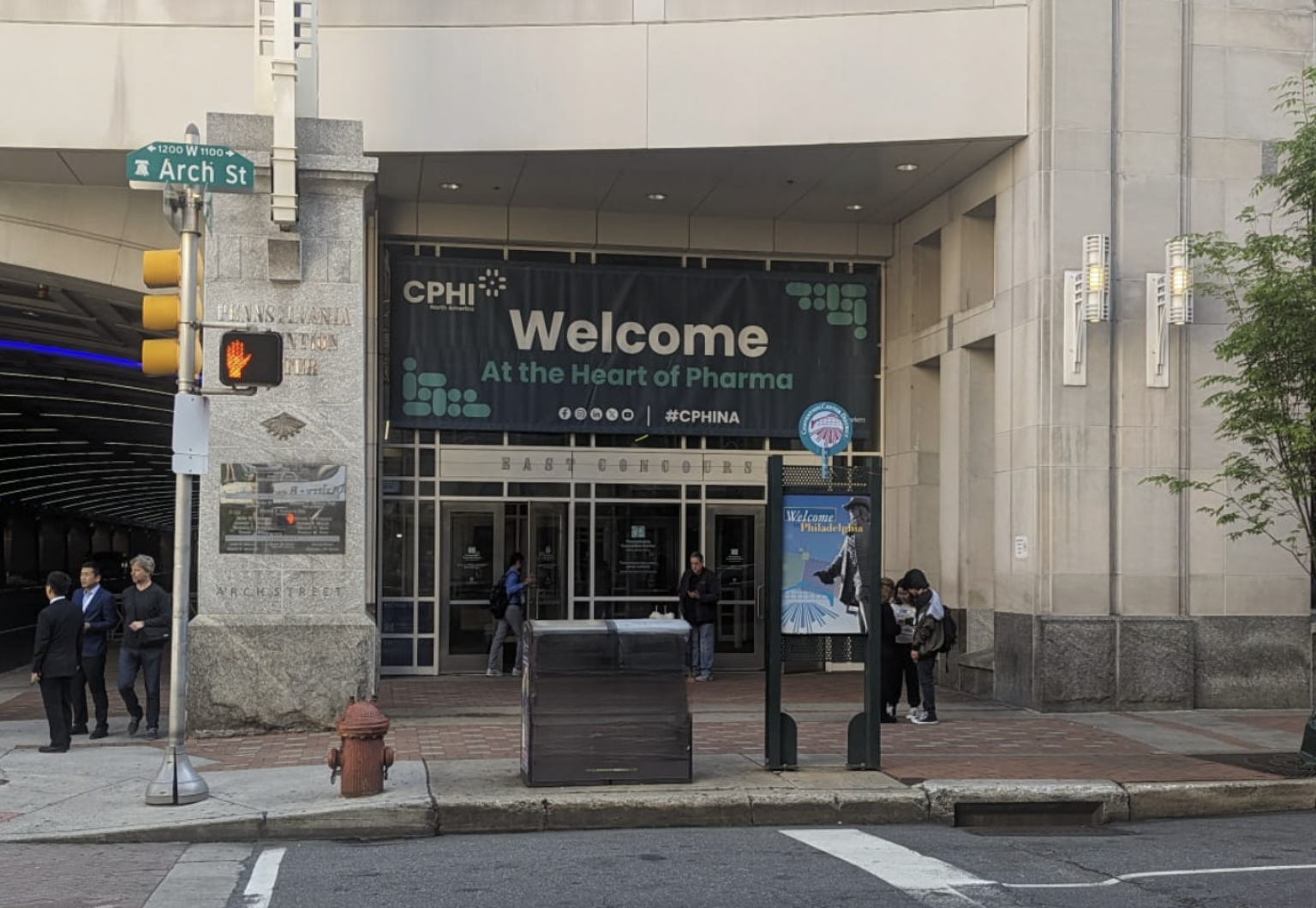
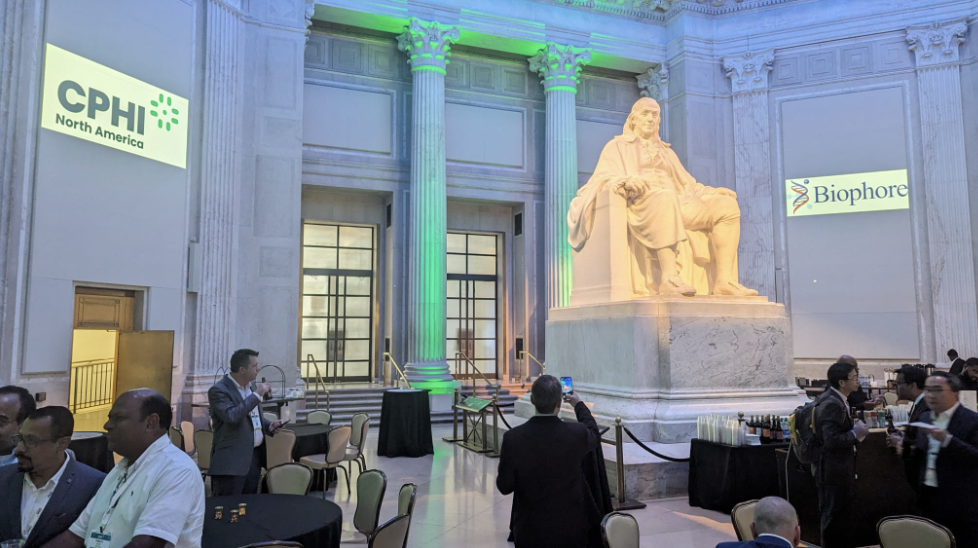
CPHI feasts not only in Europe, however, with its geographical reach now expanded to feature events in nine countries, including China, India, Korea, Saudi Arabia (a first for 2024), and, of course (as is the subject of this blog) North America. CPHI North America has been running since 2017 when it collocated with Informex, the established fine and specialty chemical industry show, the name of which has since been dropped from the event. A long-time native of the Pennsylvania Convention Center, Philadelphia, the show has never quite hit the heights of its older European sibling, both in terms of attendance and significance in the industry calendar, but it still gives a great opportunity to catch-up with familiar faces and learn about the latest in the industry. My colleague Ryan and I packed up our laptops and lanyards and headed to the home of the Liberty Bell to attend the show, from which we bring you the following insights:
1. Do look up
Adam McKay’s 2021 satire Don’t Look Up highlighted the world’s indifference to the climate crisis. However, the pharmaceutical industry certainly isn’t taking this lightly, with the environment becoming a huge topic of conversation. In response, ‘Sustainability’ was added as a new conference track for this year’s show. During these sessions, attendees were able to learn from others what targets they should be setting, how to make actionable changes, and how sustainability can be built into procurement practices.
Programmes such as Energize—formed to accelerate the adoption of renewable energy and reduce greenhouse gas emissions within the pharmaceutical value chain—were also covered, alongside several insightful, real-word case studies.
2. Panic at the (silent) disco
For 2024, the two conference theatres were moved to the show floor, aiming to create a buzz amongst the booths. To facilitate this without having the speakers’ voices boom loudly over other conversations, attendees were required to download the CPHI app and use headphones to listen to the talks on their phones.
Overall, having the theatres on the show floor did add to the buzz, but the jury was out on the technology. In the main, it worked well, although there were some noticeable glitches during some of the talks we attended.
This was particularly apparent when speakers opened the floor up for questions, which may have put some delegates off raising their hands to contribute to the conversation. However, recordings of all presentations have since been added to the app, which enables attendees to listen back to any interesting talks they might have missed.
3. The future of Pharma
Other insightful sessions within the conference agenda included those on CDMO outsourcing trends, which highlighted the need to build resilience in supply chains by re-shoring or near-shoring manufacturing.
Excipients and their key contribution to drug efficacy and delivery were raised in several talks. The role of AI and digital technologies in opening avenues for improved care was also explored. In particular, the continued evolution of connected media and smart wearable devices that is making them more accessible and affordable to patients from all demographics.
The need to embrace Diversity, Equity, and Inclusion (DEI) was another hot topic. Mirroring the wider social movement, it was emphasised how companies are now looking to enhance their reputation while also contributing to a fairer and more respectful workplace.
4. Some booths are built better than others
As usual, exhibitor booths came in all shapes and sizes at CPHI North America, from very basic displays with a few pull-up banners to more sophisticated bespoke modular constructions.
It is a tried and tested method, but the most popular booths were the ones with games and happy hours designed to draw a crowd. A golf game and a gin certainly attracted Ryan and I later in the day. We both found that the more relaxed atmosphere encouraged networking and made for some truly competitive golfing (the less said about our efforts at the latter though the better!)
5. Philly for the future?
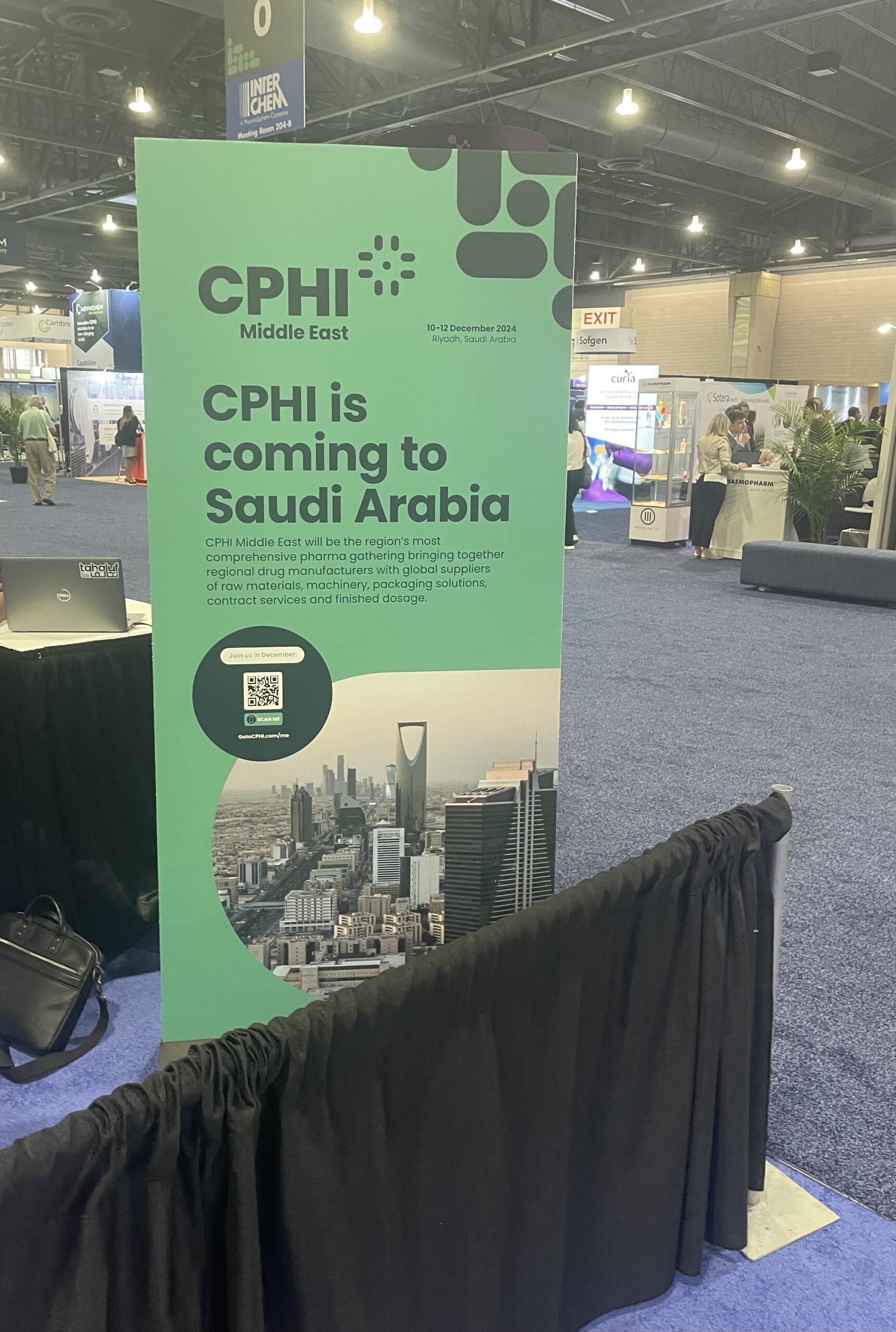
CPHI North America has already announced that it will be staying in Philadelphia for 2025, with CPHI representatives on the show floor encouraging sign-up for next year. The new CPHI Saudi Arabia event in December was also promoted heavily throughout the event.
Interestingly though, the event feedback survey distributed asked attendees for their preferences for the location of the show, including options such as Las Vegas and New Orleans.
The survey also fielded attendees’ thoughts about the show dates, potentially in response to the view that May is too close to DCAT Week in March.
Could the future of CPHI North America lie away from Philadelphia? Time will tell, but for now CPHI North America remains in the City of Brotherly Love.
Final thoughts
Whatever the future holds for CPHI North America, it’s clear that the pharma event industry is returning to its pre-pandemic best. More attendees are predicted to arrive in Philadelphia next year and the CPHI brand continues to expand into new regions and markets.
As well as CPHI, there are a huge number of other industry shows, from niche application-specific symposiums to the large global general shows, as key figures look to exchange ideas, network, and drive innovation.
At Notch, we regularly attend industry events and we look forward to meeting with our partners and industry network again soon at CPHI Milan!