With Vitafoods just around the corner, we’re excited to be heading to Barcelona to support our clients, discuss the latest in nutraceuticals, and, of course, enjoy some tapas!
With events like Vitafoods, we all love talking about the latest industry trends — and rightly so. But there’s something worth remembering: many of the buying decisions that will matter most to your business this year won’t be made on the show floor. They’ll be made by buyers who already have a shortlist, already know what good looks like, and already have a brand in mind. While it’s essential to keep up with what’s new, it’s just as important to make sure the fundamentals of your marketing are covered.
Most buyers aren’t ready to buy right now
Research from the LinkedIn B2B Institute found that at any given moment, 95% of your potential buyers are not in the market1. In B2B, this is compounded by long sales cycles: a 2025 report found the average runs to ten months².
That means the window when a buyer is actively evaluating suppliers is narrow, and by the time it opens the evaluation is often already half-decided. Research shows that 85% of B2B buyers have established their purchase requirements before they ever speak to a seller3. The brands that shaped what “good” looks like have already won a portion of the evaluation before it officially begins.
So how do you make sure you’re in consideration when that moment arrives?
1. Build brand salience before the buying cycle begins
Brand salience is one of the most commercially underestimated assets in B2B marketing. In crowded markets, the brands that come to mind first carry an advantage. That advantage compounds year on year, making consistent investment in keeping your brand “top of mind” is one of the most efficient uses of a marketing budget.
Brand Salience is defined as “the propensity of a brand to be noticed or come to mind in buying situations4”
Salience isn’t built through a single campaign or a trade show presence. It’s built through repeated, distinctive touchpoints over time; creative that earns attention, messaging that sticks, and a brand identity that feels immediately recognisable in a sea of similar-looking suppliers.
2. Use content to write the buying criteria in your favour
85% of B2B buyers have largely established their purchase requirements before ever contacting a seller.
If buyers arrive with their criteria already largely formed, then the brands that influenced that criteria have a head start that’s very hard to close. Thought leadership, technical content, and expert perspectives aren’t just for brand-building; they shape what buyers look for before the buying journey begins.
The most effective content strategies work upstream: establishing credibility, framing the category, and making your approach to the problem feel like the obvious benchmark against which others are measured.
3. Close the creative gap
After brand size, advertising creative is the second most important driver of ROI5. In fact, on average, creative quality has been shown to have a 12xprofit multiplier5.
Representing your brand distinctively and consistently is also a fundamental of effective marketing. However, 71% of B2B marketers believe they have a distinct look and feel to their brand, while only 32% of their buyers agree6. That gap is significant, and technical industries demand a closer inspection to help optimise the creative effectiveness while balancing technical accuracy
Your B2B nutraceutical buyers are still human, they notice marketing which is distinctive, consistent, and relevant. Creative that earns attention builds both awareness and familiarity, which makes a brand feel like the safe, obvious choice when the shortlisting, reviewing and final decision making moments arrive. Closing the gap between how you see your brand and how your buyers see it is one of the most fundamental and highest-leverage investments you can make.
These aren’t new ideas, but in the rush to talk about what’s next they can easily be deprioritised. If you’re heading to Barcelona and want an honest view on how your fundamentals stack up, come and talk to us at the show.. We’re always happy to chat about the fundamentals to help optimise your marketing.
References
—-
References
LinkedIn B2B Institute. The 5% Problem: How to Grow Your B2B Brand. LinkedIn, 2019.
With more than 60,000 attendees from over 160 countries, it’s safe to say that CPHI Frankfurt is one of the biggest and busiest events in pharma. The scale can be daunting: this year will see nearly 2,500 different exhibitors set up across the endless halls of Messe Frankfurt. All will be competing for your attention and that of your fellow attendees, who in turn have their own plans and priorities. In short, it’s a lot. Without a game plan, the experience can quickly tip from energising to exhausting. It can be hard to feel like you’ve made the most of your time at the event, instead coming away disappointed and deflated.
We’ve been attending CPHI since 2008, and we’ve picked up a few tricks along the way. What we’ve learned is that, when navigating an event on this scale, every little planning decision matters. From your choice of footwear to when and where you schedule your meetings, getting these things right can vastly improve your event experience.
1. Shoes matter more than you think
This might seem obvious to the CPHI veterans out there, but you’re going to walk. A lot. The Messe Frankfurt exhibition space is vast, and with all the rushing between talks, and meetings, and demos, and events — not to mention getting to and from the venue — you can expect to clock up over 20,000 steps a day. That’s the equivalent of 10 miles! This means that comfortable shoes are not just a necessity, but a crucial CPHI survival tool.
A smart but practical pair will save you from sore feet (and blisters) and help you keep energy levels high across the multi-day event. The takeaway: leave your dress shoes at home and say goodbye to the high heels.
2. Travel light
The only thing worse than sore feet? Sore shoulders. We’ve learned from bitter experience that carrying a heavy bag quickly takes its toll. Unless you’ve got a pitch or a formal meeting, you rarely need a laptop on the show floor, so we’d recommend packing light. A lighter bag means you’ll be less tired, more focused (hopefully), and ready for the inevitable mad dash for your next commitment. An added bonus? More room for event swag.
3. Trains beat taxis
The taxi queues at CPHI can be long and frustrating, especially at peak times. Thankfully, Frankfurt’s public transport is reliable and fast, and can get you to and from the venue with less stress. Staying central or near good connections can also help you maximise time (and save your feet). The S-Bahn, U-Bahn, and tramway all serve the CPHI venue directly, as well as regular buses. Our advice: ditch the queues and get a Frankfurt Card.
4. Plan (but don’t overplan)
We’ve all been there: you need to be at the opposite end of the venue in five minutes. Your meeting is running over. Your feet are sore.
Unfortunately, commitments at completely different (and far away) areas of the venue are almost unavoidable. The best thing you can do is build in plenty of buffer time between meetings and accept that things will shift. Delays, chance encounters, and last-minute reschedules are part of the CPHI rhythm. Resist the temptation to cram every hour of the day — some of the most valuable moments come from having the space to recharge, to pause, or to follow up on a spontaneous introduction.
5. The best conversations aren’t always scheduled
Some of the most memorable interactions don’t happen in meeting rooms at all. They happen at booth drinks, side events, or even when you bump into someone at a coffee stand. Informal conversations often open doors just as effectively as carefully planned pitches — sometimes more so. When you meet someone outside of a prearranged agenda, you tend to connect as people first, businesses second. That human connection helps build rapport and trust, which lasts far beyond the event itself. So, don’t be afraid to leave space in your schedule for serendipity.
6. Don’t stress too much about leads
With thousands of exhibitors and attendees, CPHI is simply too big to measure success by the number of leads you collect. Everyone else is trying to do the same thing, and it can feel like shouting into the void. Instead, focus on visibility and presence. Showing up, being seen, and reinforcing your brand among industry peers is what really pays off. Think long-term: the awareness you build now often comes back weeks or months later, when someone remembers your name and reaches out at exactly the right moment.
7. Embrace the event (and leave the office behind)
Too often, we see people hunched over laptops between meetings, catching up on work, or even cancelling event commitments to deal with office deadlines. That’s a wasted opportunity. Your business is making a big investment in sending you to Frankfurt, so you’ll only get as much out as you put in.
Delegate as much of your office work as you can, ditch the inbox, and throw yourself fully into the event. The conversations, insights, and chance encounters you’ll have on-site are far more valuable than any report you might send from your hotel room.
8. Pack a brolly!
Frankfurt in October can be glorious sunshine one minute and pouring rain the next. A compact umbrella might seem like a small detail, but it’s the kind that makes a big difference.
No one wants to show up to a meeting soaked through and flustered. Pop one in your bag and thank yourself later.
CPHI, conquered (almost)
CPHI can feel overwhelming, but it’s also one of the best opportunities to connect with the global pharma community. Through (sometimes painful) trial and error, we’ve learned how to make the most of it, and hopefully these lessons save you a few blisters and headaches along the way. We’ll be at CPHI Frankfurt this October — just look out for the signature yellow Notch tote. Stop us for a chat, even if it’s just to debate the best shoe brands for tackling 20,000 steps a day.
Want to navigate CPHI like a pro?
For even more advice on how to survive and thrive at CPHI Frankfurt 2025, our Notch CPHI Survival Guide is packed with insights from our team of scientists and marketers to help you make the most of your time at the event.
In the dynamic pharma and biotech sector, staying ahead means seizing every opportunity to connect, engage, and grow. Events like CPHI Milan 2024 are invaluable for business, technical and marketing industry leaders, offering a platform to showcase innovations, build relationships, and drive business growth.
But with so much at stake, how can you ensure that your presence at CPHI Milan translates into tangible success?
Here are five key strategies to help you maximise your impact at this essential event:
1) Embrace Hybrid Strategies: Expand Your Reach Beyond the Booth
While in-person attendance at events like CPHI Milan has rebounded to pre-pandemic levels, the power of digital engagement shouldn’t be overlooked.
Incorporating virtual tours, on-demand webinars, and online content can significantly extend the reach of your on-site activities, allowing you to engage a global audience that might not be physically present.
In addition to these digital elements, leverage digital sponsorships and social media to maintain visibility throughout the event lifecycle. These tools not only amplify your message but also keep your brand relevant and accessible before, during, and after the event.
Grow Your Audience with a Hybrid Approach.
2) Establish Thought Leadership: Be Seen, Be Heard, Be Influential
To stand out in the crowded halls of CPHI Milan, positioning yourself as a thought leader is essential. Engaging with media before the event can secure valuable opportunities for interviews, panel discussions, and press coverage, enhancing your credibility and expanding your reach.
If you’re launching a new product or service, applying for relevant awards at CPHI can significantly boost your exposure. Recognition as an industry leader not only builds trust but also attracts potential customers to your booth.
3) Leverage Milan’s Prime Locations
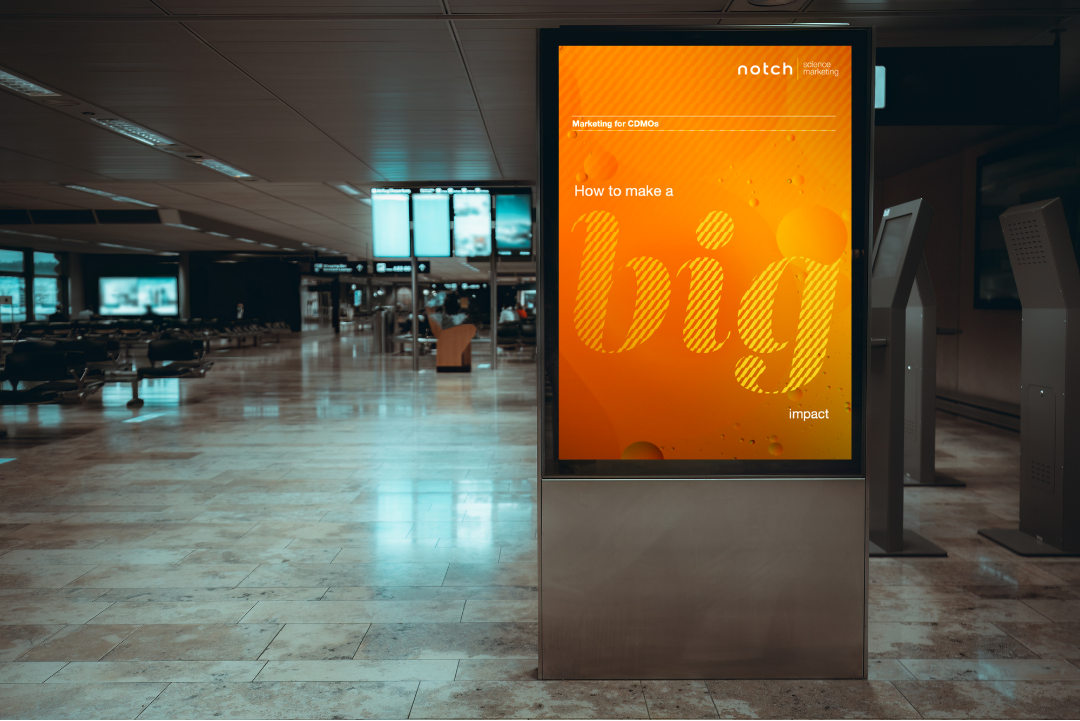
Strategic out-of-home (OOH) advertising in Milan’s busiest areas can significantly enhance your event visibility. High-traffic spots near the event venue, such as airports, train stations, and major walkways, offer prime real estate for impactful advertising.
When planning your OOH campaign, focus on clear, consistent messaging that leaves a lasting impression on event attendees. Simple yet powerful visuals and concise messaging can make your brand stand out in a sea of competitors. Find out more in our whitepaper!
Key transport links are ideal for OOH ad space.
4) Optimise Your Booth Strategy: Create a Memorable Brand Experience
Your booth at CPHI Milan is more than just a space—it’s an opportunity to create a memorable experience that resonates with attendees. Use dynamic visuals, interactive elements, and hands-on demonstrations to draw visitors in and keep them engaged.
Ensure that all booth activities align with your overall brand messaging and aesthetics. Consistency across all touchpoints helps reinforce your brand identity and ensures that visitors leave with a clear, positive impression of your company.
5) Maintain Momentum Post-Event: Keep Your Brand Top of Mind
The end of CPHI Milan doesn’t mean the end of your marketing efforts. To maximise your return on investment, prompt follow-up is essential.
Personalised emails offering additional information or exclusive deals can keep your brand top of mind.
Additionally, sharing post-event content through blogs, newsletters, and social media can engage those who couldn’t attend the event. This approach not only sustains the momentum but also broadens your reach to a wider audience.
Partner with Experts
CPHI Milan is a pivotal event for pharma leaders. By embracing hybrid strategies, establishing thought leadership, leveraging local advertising, enhancing booth engagement, and maintaining momentum post-event, you can transform your participation into a powerful driver of business growth.
At Notch, we specialise in crafting tailored event strategies that ensure success. Let our expert team guide you in making a lasting impact at CPHI Milan and beyond.
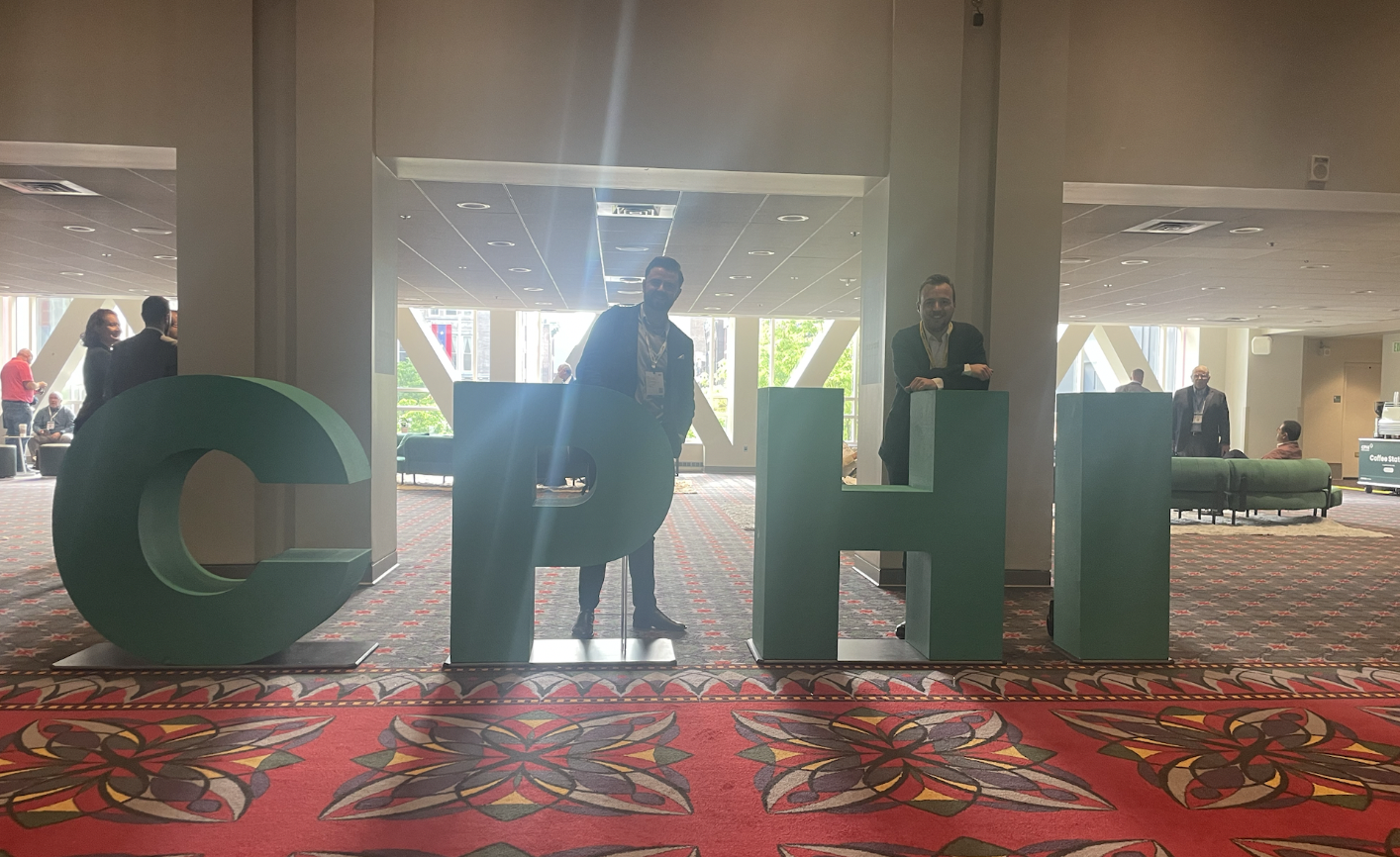
The Notch team attends CPHI North America 2024
Attending CPHI Milan?
Contact us now to arrange a meeting with our pharma marketing experts.
CPhI Milan 2024 is set to be an exciting event, taking place from October 8th to 10th at Fiera Milano, Italy. Celebrating its 35th edition,
CPhI Milan is a premier gathering for the global pharmaceutical industry, bringing together over 62,000 attendees and 2,400 exhibitors from more than 166 countries.
This event offers unparalleled opportunities for networking, learning, and collaboration across various sectors of the pharma market.
Since its humble beginnings in 1990 with 16 exhibitors and 250 delegates in a hall in Frankfurt, CPHI has grown into the leading international pharmaceutical industry events brand, with the flagship Wordwide event (now positioned as CPHI + the host city, e.g. CPHI Barcelona in 2023) seemingly getting bigger and better every year. The upcoming CPHI Milan 2024 is predicted to welcome 62,000 visitors and over 2,400 exhibitors to the city that’s home to the espresso, high fashion, and DaVinci’s “The Last Supper”.
CPHI feasts not only in Europe, however, with its geographical reach now expanded to feature events in nine countries, including China, India, Korea, Saudi Arabia (a first for 2024), and, of course (as is the subject of this blog) North America. CPHI North America has been running since 2017 when it collocated with Informex, the established fine and specialty chemical industry show, the name of which has since been dropped from the event. A long-time native of the Pennsylvania Convention Center, Philadelphia, the show has never quite hit the heights of its older European sibling, both in terms of attendance and significance in the industry calendar, but it still gives a great opportunity to catch-up with familiar faces and learn about the latest in the industry. My colleague Ryan and I packed up our laptops and lanyards and headed to the home of the Liberty Bell to attend the show, from which we bring you the following insights:
1. Do look up
Adam McKay’s 2021 satire Don’t Look Up highlighted the world’s indifference to the climate crisis. However, the pharmaceutical industry certainly isn’t taking this lightly, with the environment becoming a huge topic of conversation. In response, ‘Sustainability’ was added as a new conference track for this year’s show. During these sessions, attendees were able to learn from others what targets they should be setting, how to make actionable changes, and how sustainability can be built into procurement practices.
Programmes such as Energize—formed to accelerate the adoption of renewable energy and reduce greenhouse gas emissions within the pharmaceutical value chain—were also covered, alongside several insightful, real-word case studies.
2. Panic at the (silent) disco
For 2024, the two conference theatres were moved to the show floor, aiming to create a buzz amongst the booths. To facilitate this without having the speakers’ voices boom loudly over other conversations, attendees were required to download the CPHI app and use headphones to listen to the talks on their phones.
Overall, having the theatres on the show floor did add to the buzz, but the jury was out on the technology. In the main, it worked well, although there were some noticeable glitches during some of the talks we attended.
This was particularly apparent when speakers opened the floor up for questions, which may have put some delegates off raising their hands to contribute to the conversation. However, recordings of all presentations have since been added to the app, which enables attendees to listen back to any interesting talks they might have missed.
3. The future of Pharma
Other insightful sessions within the conference agenda included those on CDMO outsourcing trends, which highlighted the need to build resilience in supply chains by re-shoring or near-shoring manufacturing.
Excipients and their key contribution to drug efficacy and delivery were raised in several talks. The role of AI and digital technologies in opening avenues for improved care was also explored. In particular, the continued evolution of connected media and smart wearable devices that is making them more accessible and affordable to patients from all demographics.
The need to embrace Diversity, Equity, and Inclusion (DEI) was another hot topic. Mirroring the wider social movement, it was emphasised how companies are now looking to enhance their reputation while also contributing to a fairer and more respectful workplace.
4. Some booths are built better than others
As usual, exhibitor booths came in all shapes and sizes at CPHI North America, from very basic displays with a few pull-up banners to more sophisticated bespoke modular constructions.
It is a tried and tested method, but the most popular booths were the ones with games and happy hours designed to draw a crowd. A golf game and a gin certainly attracted Ryan and I later in the day. We both found that the more relaxed atmosphere encouraged networking and made for some truly competitive golfing (the less said about our efforts at the latter though the better!)
5. Philly for the future?
CPHI North America has already announced that it will be staying in Philadelphia for 2025, with CPHI representatives on the show floor encouraging sign-up for next year. The new CPHI Saudi Arabia event in December was also promoted heavily throughout the event.
Interestingly though, the event feedback survey distributed asked attendees for their preferences for the location of the show, including options such as Las Vegas and New Orleans.
The survey also fielded attendees’ thoughts about the show dates, potentially in response to the view that May is too close to DCAT Week in March.
Could the future of CPHI North America lie away from Philadelphia? Time will tell, but for now CPHI North America remains in the City of Brotherly Love.
Final thoughts
Whatever the future holds for CPHI North America, it’s clear that the pharma event industry is returning to its pre-pandemic best. More attendees are predicted to arrive in Philadelphia next year and the CPHI brand continues to expand into new regions and markets.
As well as CPHI, there are a huge number of other industry shows, from niche application-specific symposiums to the large global general shows, as key figures look to exchange ideas, network, and drive innovation.
At Notch, we regularly attend industry events and we look forward to meeting with our partners and industry network again soon at CPHI Milan!
Matt Dayan, Group Account Director, Notch
Camps International is an ethical school expeditions organisation that runs volunteering trips for young people in the UK, UAE and Australia.
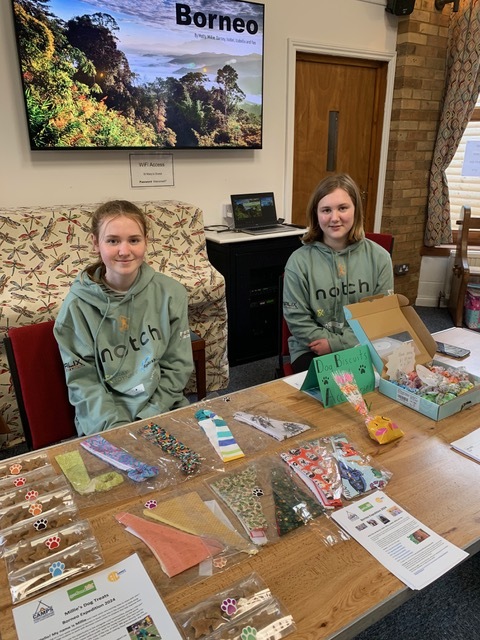
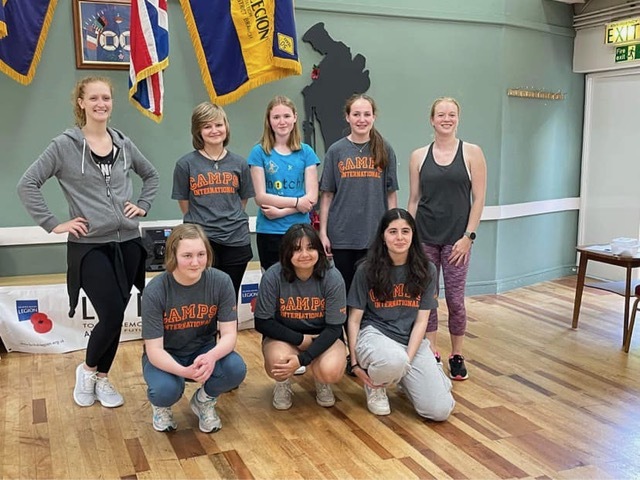
This year, Notch Communications is sponsoring a student, Millie Rhodes, as she fundraises for her trip to Borneo with Camps International. In Borneo, Millie will be undertaking work with sustainable projects within the local community.
A few months before she sets off, we sat down with Millie to get to know more about the work she’ll be doing and what she’s most excited about!
Thank you, Millie, for taking the time to talk to us. First of all, what initially inspired you to undertake this opportunity to fly off to Borneo?
I was lucky enough to be given this opportunity with Camps International through my school. I am keen to broaden my horizons and learn about the day-to-day lives of different communities.
I also want to develop a greater understanding of the world-at-large and learn more about different cultures that I wouldn’t otherwise have the chance to interact with!
We understand that you have organised number of fundraising activities in order to pay for your trip. Could you tell us a bit more about these?
The cost of the trip was relatively high – coming in at around £4500 – in addition to essential travel expenses such as vaccinations. When raising this sum of money, I found that organising a big variety of activities was the most important thing.
One of the main activities I did to raise money was making and sell home-made dog biscuits! Running this taught me a lot about enterprise. Things like keeping my prices low by sourcing the ingredients at discount supermarkets, like ALDI, was really important. I’ve also utilised a range of channels to sell my biscuits and get my message out to as many people as possible. Using social media really helped – my first post resulted in over 50 orders! A local café also sells around 30 bags of my dog treats a week on my behalf.
Raising money alongside the other members of the expedition team has been really hard work, but also very rewarding. From quiz nights to Zumbathons, engaging with the local community has strengthened my own communication skills and helped instil me with the confidence to manage events, time and finances. It has also helped me develop a greater sense of resilience when overcoming challenges and managing the ups and downs that come with organising activities like these.
What kind of community work will you be doing? Have you done anything similar before closer to home? How will it benefit the local community?
During my expedition, I’ll be taking part in activities that not only help the local communities, but also the environment and the local ecosystems which have been devastated by deforestation driven by palm oil demand. These include things like building shelters, improving sanitation facilities for the local people and cleaning beaches. By engaging in a range of community work, we’re hoping to benefit the local community in a wide range of ways.
While I’ve never done anything like this and it sounds quite daunting, I’m really excited by the challenge and can’t wait to get stuck in!
While you’re in Borneo, how will you be engaging with the local community?
I’m looking forward to making new friends with the local children. I’ve been told they play a very good game of football, so as a goalkeeper, I’m looking forward to the challenge! I don’t know a huge amount about the local culture, apart from the talks I’ve given, so while I’m there I’ll be learning as much as I can about the culture, cuisine and language!
In what ways do you hope this experience will impact your personal growth and development?
I’m hoping that this trip will broaden my perspective of the world and make me more appreciative of other cultures. I’m also very excited to earn my PADI open-water diver qualification, which will both provide me with a lifelong skill and enable me to appreciate the exotic marine life in Borneo!
I’ve found that a big part of the experience is not the actual trip, but the fundraising itself which has helped me grow my teamwork, problem solving and communication skills.
Lastly, what message or advice would you like to share with other teenagers who are considering participating in trips like yours?



 The Notch team attends CPHI North America 2024