CPHI Milan 2026: What the new zones reveal about pharma communications

CPHI Milan 2026’s new specialist zones are more than just a floorplan update. They are a clear signal that pharma is not just getting bigger; it’s getting broader.
With dedicated areas for AI & Tech, Contamination Control, Cold Chain & Logistics, and Labelling, the event is creating a space for disciplines that have long supported pharma, but are now moving closer to the centre of the industry conversation. Their growing visibility reflects the increasing importance of digital infrastructure, resilient supply chains, contamination control and traceability across the pharmaceutical lifecycle.
As the ecosystem gets broader, one of the biggest challenges is no longer simply capability; it is translation.
How do all these different worlds talk to each other? A software company, logistics provider or labelling specialist might speak a very different language and have different proof points from the pharma companies and CDMOs they’re trying to reach. Technical expertise can easily be lost if its relevance is not translated into outcomes that matter to each audience.
That makes communications a commercial capability in its own right. Companies preparing for CPHI Milan and beyond need to show not only what their technology does, but where it fits, which problem it solves and why pharma decision-makers should trust it.
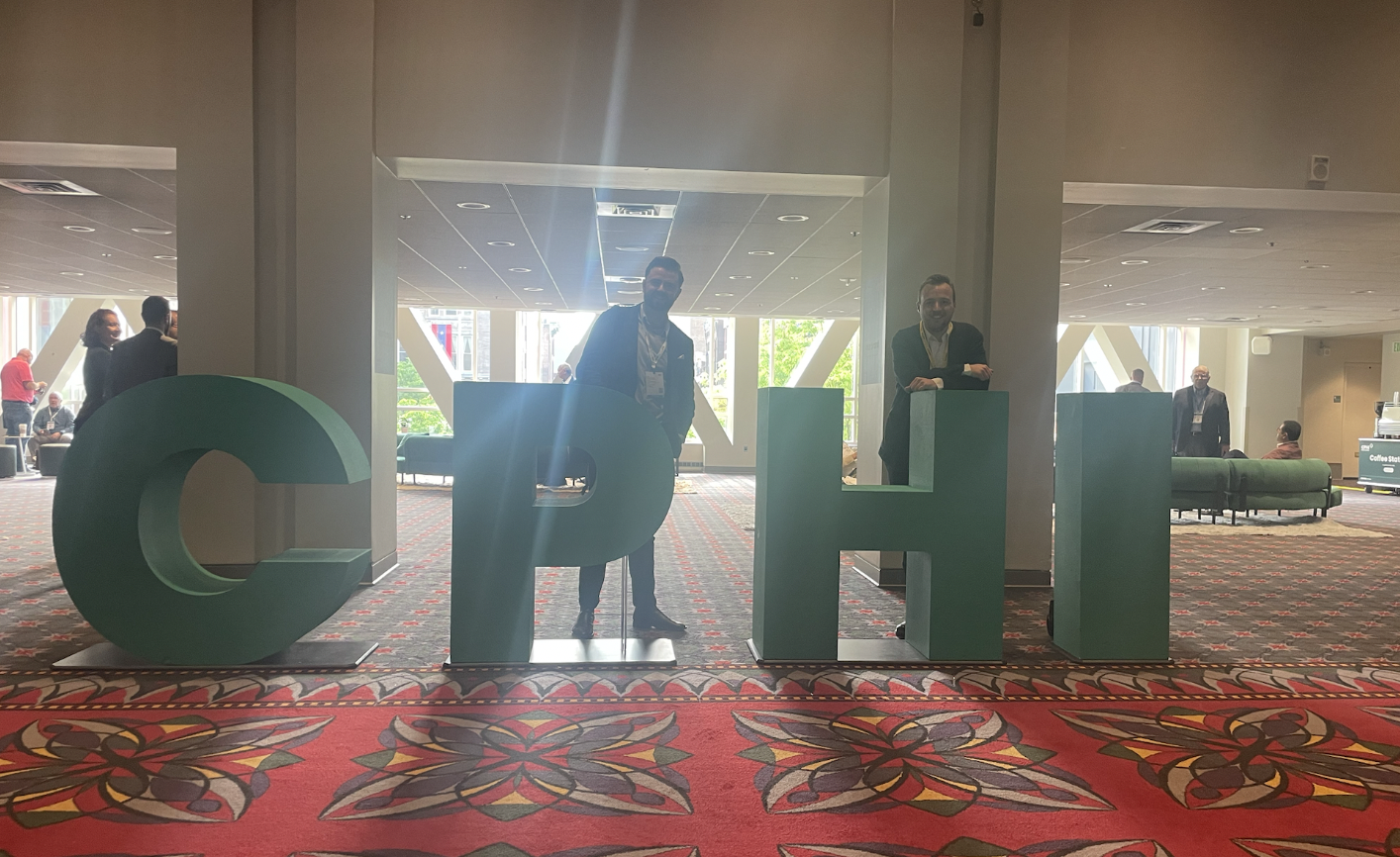
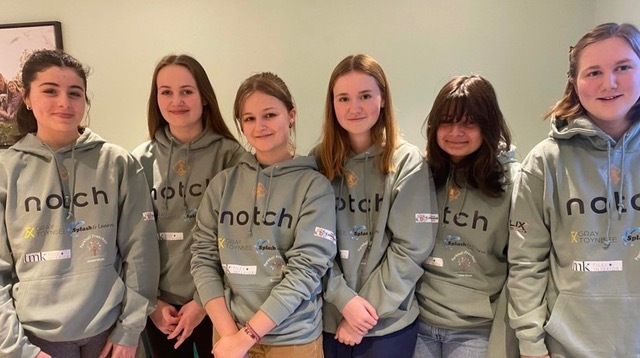
The Notch team will be at CPHI Milan 2026, and these are some of the communication challenges we expect to see across the show floor.
The B2B language barrier: AI and technology
The launch of an AI and Tech Zone reflects the growing role of software, automation, data platforms and intelligent solutions across pharma operations. But it also highlights a familiar communications challenge: technology providers and pharmaceutical decision-makers often speak different languages.
Generic tech messaging will not be enough. Pharma audiences do not only need to know that a platform is innovative, automated or AI-enabled. They need to understand where it fits into existing workflows, how it supports GxP environments and what evidence sits behind its claims.
This means translating digital capability into outcomes that feel relevant and credible to pharma: reduced risk, faster decisions, improved quality systems, stronger compliance and clearer oversight. The most effective communications will bridge the gap between technical sophistication and practical value.
Operational resilience: Cold Chain & Logistics
The Cold Chain & Logistics Zone points to another major shift: operational resilience is now a strategic communications issue. The growth of biologics, advanced therapies and temperature-sensitive medicines has made temperature control, distribution continuity and supply integrity central to commercial confidence and patient access.
Failures in this area can mean far more than inconvenience. They can affect product quality, regulatory compliance, supply continuity and ultimately patient access. That means companies operating in cold chain and logistics are selling confidence as much as capability.
Broad claims such as “reliable logistics” or “trusted partner” are unlikely to be persuasive on their own. Pharma audiences need specific proof: risk mitigation, monitoring, contingency planning, validated processes, continuity planning and evidence of performance. Communications must make the invisible work of control, assurance and resilience visible.
For suppliers in cold chain and logistics the strongest messages will not simply describe what a solution does. They will explain why it matters, what risk it reduces and how it protects the wider medicine supply chain.
Control as confidence: Contamination Control
The Contamination Control Zone speaks to a different anxiety: the need to demonstrate control in increasingly complex manufacturing environments. Sterility assurance, clean manufacturing and contamination prevention are not simply technical concerns; they are central to regulatory readiness, operational credibility and product safety, particularly in a high-stakes environment shaped by frameworks such as EU GMP Annex 1 for sterile medicinal products.
For suppliers in this space, the strongest messages will explain how control is designed, maintained and evidenced. Rather than relying on generic quality language, communications should show how processes, validation, expertise and documentation reduce risk and support confidence across the wider medicine supply chain.
The end of the one-size-fits-all pitch
The new Labelling Zone shows how even established parts of the pharma value chain are becoming more strategically complex. Labelling is no longer just a packaging or compliance function. It now connects regulatory, supply chain, legal, operations, IT and patient-access priorities.
A single solution may therefore need to demonstrate value to multiple stakeholders, each asking different questions. The message that resonates with a regulatory lead may not be the one that matters to procurement, operations or IT.
The era of the single corporate brochure is over. Modern pharma communications need segmented messaging that speaks to different decision-makers while maintaining one coherent position. This means building communications around audience needs and buying priorities, rather than simply organising content around products and capabilities.
From presence to perspective
CPHI Milan 2026’s new zones reveal a wider transition in pharma. Innovation increasingly depends on collaboration between scientific, technical, operational and commercial specialists. Future additions in 2027 spanning lab and analytical equipment, nutraceuticals and cosmeceuticals suggest the ecosystem will continue to broaden into adjacent scientific, technical, wellness and consumer-health spaces. These additions should not be seen as isolated event updates, but as evidence of a wider evolution in how pharma defines its partners, audiences and value chain.
In this landscape, success will belong to brands that can connect different forms of expertise and communicate their relevance with precision. For brands preparing for CPHI Milan 2026 and beyond, the communication challenge is clear: do not simply explain what you do. Explain why it matters, who it matters to and why each audience should believe you.
Are you going to be at CPHI Milan 2026?
Book a meeting with Notch to help you navigate the changing landscape of pharma communications.